Cotton tea towel printing is often where an artwork idea becomes a real product for the first time. A design that looked finished on a screen has to become something people can hold, fold, sell, gift, photograph and use in a kitchen.
For BLANC Tea Towel, 100% cotton custom tea towels are the main starting point for artists, illustrators, gift shops, schools, cafes and small brands. Cotton is familiar, practical and retail-friendly. It also gives custom artwork a textile surface that feels more useful than a paper print, without making the project feel too formal or decorative.
The useful question is not simply “Can this be printed on cotton?” It is usually more specific: will the colour still feel right, will the lines remain clear, will the artwork scale well, and will the towel still make sense when it is folded or packaged?
This guide explains why cotton is often a good fit for custom artwork, what to check before asking for a quote, and how to prepare a clearer brief for a printed cotton tea towel project.
Cotton gives artwork a practical product format
Many artists and small brands start with artwork that already has a life elsewhere: a print, a pattern, a map, a food illustration, a school drawing, a museum image, a cafe logo or a local scene. A cotton tea towel changes the role of that artwork.
It is still visual, but it is no longer only something to look at. It becomes a product that can sit on a shelf, hang in a kitchen, be folded into a gift bundle or be sold as a souvenir. That practical role is one reason cotton works well for design-led projects.
Cotton also feels approachable. A customer may hesitate over a framed print, but a well-made cotton tea towel can feel easier to buy, carry home and use. For gift shops, museum shops, school projects and cafes, that matters. The product has enough visual surface for artwork, but it does not feel precious in the way some art objects can.
Why 100% cotton is usually the starting point
Cotton is not the only possible textile, but it is usually the most sensible place to begin a custom tea towel conversation.
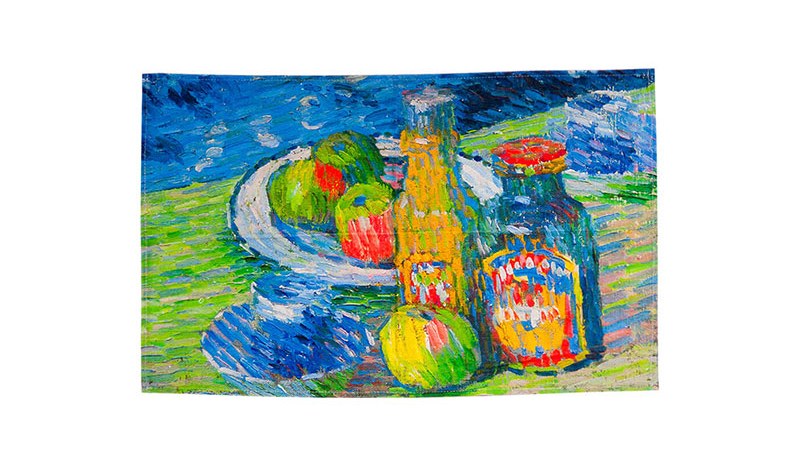
For artwork-led tea towels, 100% cotton offers a balance of handfeel, usability and print surface. It feels like a real kitchen textile, not a disposable promotional item. It can suit illustrated designs, painterly artwork, school drawings, food graphics, local maps, typographic layouts and repeated patterns.
When customers contact us, the cotton decision is rarely separate from the artwork. A fine-line botanical illustration, a bright children’s drawing, a cafe pattern and a museum shop image all ask different questions. Cotton gives us a practical common base, then the artwork can guide the details: print method, size, scale, colour expectations, sampling questions and packaging.
Linen can be discussed when a project has a clear reason for that texture or price position, but it should not become the default just because it sounds more premium. For most custom printed cotton tea towel projects, cotton keeps the brief focused and easier to evaluate.
What changes when artwork moves from screen to cotton
Artwork on a screen is backlit, smooth and adjustable. Cotton is a woven surface. That difference does not make cotton difficult, but it does mean the file should be checked with the finished product in mind.
Colour can feel softer on fabric than it does on a screen. Very pale tones, small colour shifts and subtle texture may need a closer look. A design with strong contrast usually reads more clearly than one built only from faint lines or delicate pastels.
Fine lines need enough weight. A line that looks crisp when zoomed in may become weak when printed at towel size. This is especially important for handwriting, small labels, thin borders, map details, children’s names and delicate sketch lines.
Scale matters too. A hero illustration may need a different layout from a repeat pattern. A gift shop towel that will be folded on a shelf may need the strongest part of the design to appear in the visible fold. A school towel with many names needs readability before decoration.
The safest approach is to review the artwork at the intended printed size, not only enlarged on a monitor.
Artwork types that often work well on cotton tea towels
Cotton tea towel printing can suit many kinds of custom artwork, especially when the design has a clear purpose.
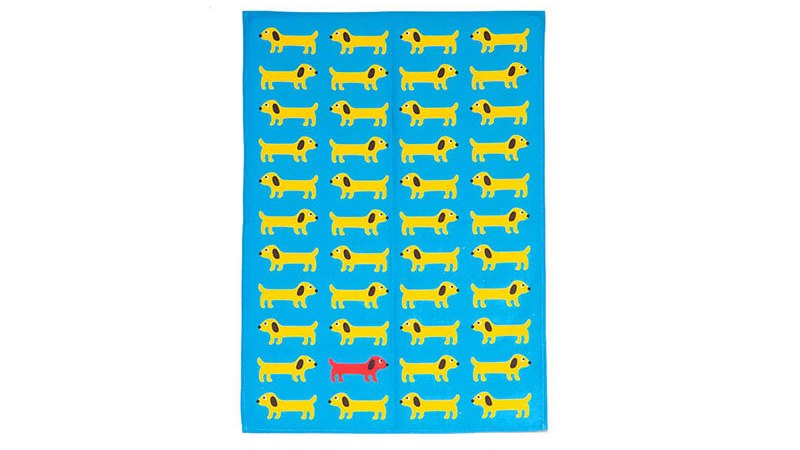
Illustrations and surface patterns often work well because a tea towel gives them a generous rectangle. The design can be a single image, a border layout, a repeated motif or a composition made for folding and display.
Food, cafe and small brand artwork can also be effective. A tea towel can sit between merchandise, packaging and useful product. It can show a logo, ingredient illustration, recipe-style graphic, local landmark or seasonal campaign without feeling like a throwaway giveaway.
School and fundraising artwork works for a different reason. Families are often buying the memory, not only the object. Cotton helps the towel feel like something worth keeping. The practical challenge is making names, drawings and class details clear enough to print.
Museum, gallery and souvenir artwork needs a little more planning. The image may already be valuable, but the tea towel version still needs scale, margins, colour expectations, credit text and retail presentation to be considered.
Pattern scale and white space are part of the product
A custom cotton tea towel is not just a flat image area. It has edges, hems, folds and a real use case. Pattern scale and white space should be planned with that in mind.
Large artwork can feel strong when the towel is fully open, but it may lose impact when folded. A smaller repeat can work well for retail display, but it should not become so busy that the artwork loses character. Borders can frame a design nicely, but important details should not sit too close to the edge.
White space is not automatically a problem. It can make a design feel calm, premium or easier to read. The issue is whether the white space looks intentional. A narrow artwork floating in the middle of a large towel can feel unfinished. A balanced layout with breathing room usually feels more considered.
What to send for a cotton tea towel printing quote
A good first message does not need to sound like a procurement document. It just needs enough information to understand the product you are trying to make.
Before asking for a quote, gather:
- An artwork preview or file
- Number of designs
- Approximate quantity for each design
- Whether the towel is for retail, gifting, school, fundraising, cafe use, museum shop or brand merchandise
- Preferred cotton tea towel size, if known
- Notes on fine lines, small text, pale colours, borders or repeat patterns
- Packaging or folded display needs
- Delivery country and city
- Target date, if timing matters
- Whether you want to discuss a sample or proof
If some details are not final, say so. “We are still choosing between two artwork layouts” is more useful than pretending everything is settled. We can often look at the artwork first, then identify which details need attention before production.
For broader options, start with the main custom tea towels page. If the artwork has fine lines, many colours or detailed illustration, the custom digital printed tea towels page is also useful. When you are ready to share project details, use the quote form.
When a sample is worth discussing
Not every project needs a physical sample at the first stage, but samples can be useful when the artwork carries risk.
Consider discussing a sample if the design includes very fine lines, important colour expectations, small text, many pale tones, a detailed map, a museum image, children’s names or packaging that affects how the towel will be seen.
A sample is not only about checking whether the design is pretty. It can help check cotton feel, print clarity, colour impression, scale, fold position and whether the product matches the way it will be sold or gifted.
For artists and shops planning a first product, a sample can also make the project feel more real before a wider release. For schools and fundraising groups, it can help organisers feel more confident before collecting final approval.
Keep the brief honest and specific
The best cotton tea towel printing briefs are usually simple and specific.
Instead of asking only, “How much for cotton tea towels?”, send something closer to this:
We are preparing one illustrated cotton tea towel for a small gift shop. The artwork is attached as a preview. We are considering one design, with quantity still being checked. The towel will be sold folded, so the visible fold matters. Delivery would be to Australia. We would like advice on whether the colour and line detail look suitable before confirming the final file.
That kind of note gives enough context for a useful reply without inventing numbers, prices or production promises.
If you are planning cotton tea towel printing for artwork, a shop product, a school project, a cafe, a museum shop or a small brand, start with the artwork you already have.
Send BLANC Tea Towel the design preview, intended use, quantity range, delivery country, packaging notes and any questions about colour, line detail, size or samples. We can help check what needs to be clarified before your custom printed cotton tea towels move toward production.
FAQ
Why is 100% cotton often used for custom tea towel printing?
100% cotton is practical, familiar and suitable for artwork-led tea towels. It gives artists, gift shops, schools and small brands a useful textile product with a clear print surface and everyday handfeel.
Can detailed artwork be printed on cotton tea towels?
Detailed artwork can work well when the file has enough resolution, line weight and contrast. Fine lines, small text, pale colours and borders should be checked at the intended printed size before production.
Is cotton better than linen for custom printed tea towels?
Cotton is usually the starting point for BLANC Tea Towel projects because it is practical and familiar. Linen can be discussed when a project has a clear reason for that texture, but it is not the default material.
What should I send before asking for a cotton tea towel quote?
Send the artwork preview, number of designs, quantity range, intended use, preferred size if known, packaging needs, delivery country, target date if relevant and any questions about samples or proofing.
Do I need a sample before printing custom cotton tea towels?
A sample is worth discussing when colour, fine detail, small text, fabric feel, fold position or packaging matters. Not every project needs one immediately, but it can help confirm the product before a larger order.