Digital tea towel printing is useful when the artwork needs more than a simple one-colour mark. Artists, illustrators and small brands often come to cotton tea towels with fine lines, layered colour, hand lettering, repeat patterns or painted textures that they do not want to flatten into something generic.
The practical question is not only whether the design can be printed. It is whether the important details will still read well on cotton, at tea towel scale, after the design becomes a real product that may be folded, photographed, packaged, sold or given as a keepsake.
At BLANC Tea Towel, 100% cotton custom tea towels remain the main starting point. Digital printing can help detailed artwork keep more of its character, but the file still needs to be checked carefully. This guide explains what to look at before asking for a quote, especially if your design includes fine lines, colour shifts, small text or a full-surface pattern.
Start With the Artwork, Not the Print Method
Most good digital printing conversations begin with the artwork itself.
A surface pattern designer may care about repeat scale and edge placement. An illustrator may worry about thin outlines and subtle colour changes. A school organiser may need children’s drawings and names to stay legible. A cafe or small food brand may want a bright product that still feels useful rather than promotional. These are different questions, even when the final product is the same basic cotton tea towel.
Before thinking too much about production language, open the artwork at the intended print size and ask what must survive clearly:
- Fine outlines
- Handwritten names or dates
- Small place names, recipe notes or captions
- Pale colours and soft shadows
- Dense repeat patterns
- Borders near the hem
- Areas that will be visible when folded
If the design has one important detail that carries the whole piece, make that clear in the first message. It helps the print check focus on the right risk.
For broader product options, start with the custom digital printed tea towels page. If you are still choosing the product direction, the main custom tea towels page gives the wider cotton tea towel context.
Fine Lines Need Real-Size Checking
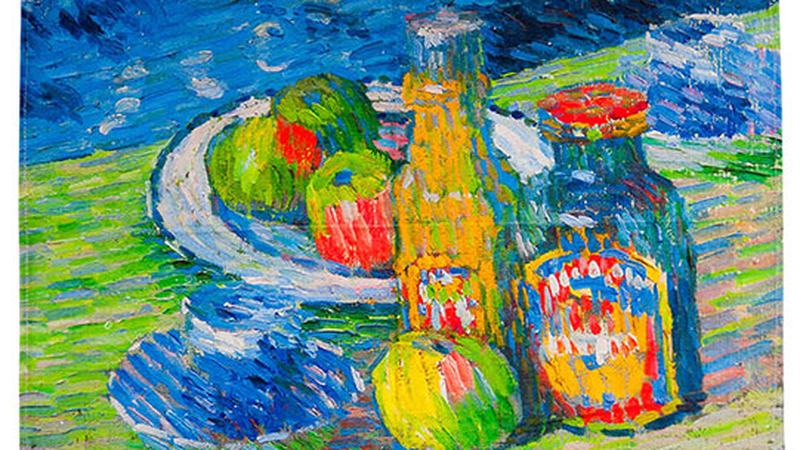
Fine line artwork can look clean on a screen because we zoom in without thinking about it. Cotton tea towels are different. The line has to be visible at the size someone will actually see and use.
This matters for botanical drawings, map details, small signatures, handwritten class names, recipe-style lettering and delicate illustration. A thin line may still print, but it may not carry the same weight once it sits on a woven surface.
We often check whether the line is important to the design or only part of the texture. If a faint line is decorative, a softer result may be acceptable. If it is a student’s name, a shop location, a label, a border or a key part of the illustration, it needs more caution.
Useful file checks include:
- View the file at actual tea towel size.
- Check the thinnest line, not only the average line.
- Look at small text without zooming in.
- Avoid placing critical details too close to the edge.
- Keep strong contrast where readability matters.
- Flag any area where the artwork already feels faint on screen.
The goal is not to make every artwork heavy or simple. It is to know which details need protection before the file moves into production.
Colour Changes From Screen to Cotton
Digital artwork on a screen is bright, backlit and smooth. A cotton tea towel is a woven textile. Colour can still be lively, but it will not behave exactly like the monitor preview.
Strong colour blocks usually read more clearly than very pale washes. High contrast artwork is easier to understand at a distance. Subtle tonal differences, soft shadows and delicate pastels may need closer checking, especially when they sit beside white cotton or fine linework.
This is one reason we avoid talking about colour in absolute terms before seeing the file. A bright illustration, a painterly image and a brand-colour layout each need a different kind of conversation.
If colour is important, send notes with the artwork:
- Which colours are most important?
- Are any colours linked to a brand, school or collection?
- Are pale areas meant to be visible, or only background texture?
- Does the design need to look bold from a shelf?
- Will the towel be sold folded, photographed flat or bundled with packaging?
These notes help separate the essential colour decisions from the parts where a natural textile result is acceptable.
Repeat Patterns Should Be Planned as a Product
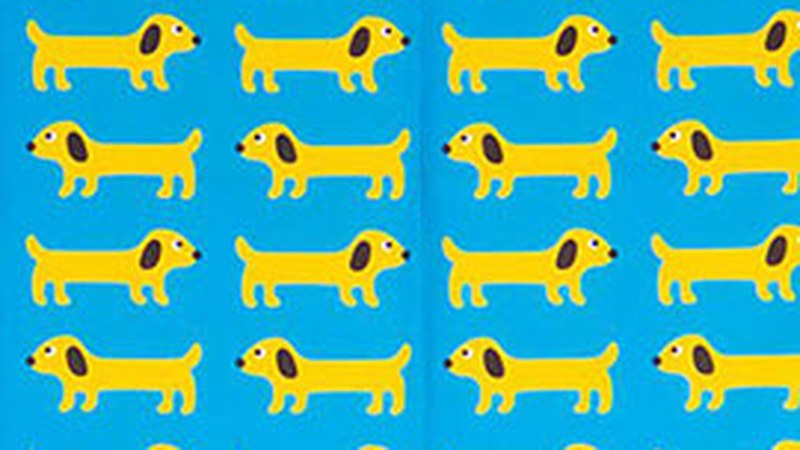
Repeat patterns often work well on custom printed cotton tea towels because the towel gives the artwork a generous surface. But a repeat still needs product planning.
A tiny repeat can feel busy when the towel is open. A large repeat may look strong in a photo but lose its rhythm when folded. A pattern with a hero motif may need one area to sit clearly in the visible fold. If a belly band or label will cover part of the towel, that should be considered before the final layout is locked.
For gift shops, artists and small brands, this is where the tea towel becomes more than a printed rectangle. It becomes a retail object. The question is not only “Does the repeat work?” but “Does the repeat work when someone sees it on a shelf, opens it at home, or photographs it for an online shop?”
When preparing a repeat design, check:
- Motif size at final towel scale
- Whether the repeat feels too dense or too empty
- Edge placement and any borders
- Folded presentation
- Packaging position
- Whether the strongest visual area is easy to see
White space can work beautifully if it looks intentional. A half-planned layout, however, can make a strong artwork feel unfinished.
What Artists and Designers Should Send First
You do not need a perfect final file to start the conversation, but the first message should show enough of the real project.
For digital tea towel printing, send an artwork preview along with a short project note. A relaxed but specific brief is more useful than a formal procurement-style request.
Try to include:
- Artwork preview or current file
- Final file type, if already known
- Number of designs
- Approximate quantity per design
- Intended use: artist product, gift shop, school project, fundraiser, cafe, museum shop, event or small brand merchandise
- Preferred cotton tea towel size, if known
- Any fine lines, small text, pale colours, borders or repeat patterns
- Packaging or folded display plans
- Delivery country and city
- Target date, if timing matters
- Whether you want to discuss a sample or proof
If the artwork is still changing, say that directly. “We are choosing between two colourways” or “the names are not final yet” is useful information. It prevents the quote conversation from pretending that the file is already locked.
When a Sample or Proof Is Worth Discussing
A sample or proof can be useful when the artwork has something important to verify. It is not only a formality.
For digital printing, a sample may help when colour, line clarity, fabric feel, small text, fold position or packaging presentation matters to the success of the product. This is common for artists preparing a first product drop, schools checking many names, museum shops adapting existing artwork, cafes building a small retail item or gift shops testing a local design.
At the same time, not every early conversation needs to start with a sample. Sometimes the first step is simply to review the artwork and identify the questions: line weight, colour expectation, size, repeat scale, quantity, packaging and delivery country.
The safest approach is to tell us what you are most worried about. A sample for colour confidence is different from a sample for fold presentation or line readability.
Keep Cotton as the Main Material
For BLANC Tea Towel projects, 100% cotton custom tea towels are the main line. Cotton is familiar, useful and clear for artwork-led tea towels, whether the buyer is an artist, a school, a gift shop, a cafe or a small brand.
Linen can be discussed when the project genuinely needs that texture or price position, but it should not become the default simply because it sounds more premium. If the goal is to show artwork clearly on a practical product, cotton is usually the cleaner starting point.
This cotton-first choice also keeps the quote conversation easier. Once the material direction is clear, the more important questions become the artwork file, print detail, size, quantity, packaging and delivery country.
Next Step: Send the Part of the Artwork That Worries You
If you are preparing digital tea towel printing for fine lines, colour detail or a repeat pattern, do not wait until every decision is final.
Send BLANC Tea Towel the artwork preview, intended use, number of designs, rough quantity, preferred cotton tea towel size, delivery country and any questions about colour, small text, line weight, borders, fold position or samples through the quote form.
You can also compare the designer tea towel page if you are an artist or illustrator planning a product range. The more clearly we understand what the artwork needs to do, the easier it is to check whether the digital print route suits the project.
FAQ
Is digital tea towel printing good for fine line artwork?
Digital tea towel printing can work well for fine line artwork when the file has enough resolution, line weight and contrast. Very thin lines, small text and pale details should be checked at actual tea towel size before production.
What file details matter most for digital printed tea towels?
The most useful checks are final artwork size, resolution, line weight, small text, colour contrast, borders, repeat scale and any area that will be visible when the towel is folded or packaged.
Will colours look exactly the same on cotton as they do on screen?
No. Screen colour is backlit and smooth, while cotton is a woven textile. Colour can still look strong, but important tones, pale areas and brand-sensitive colours should be reviewed before production.
Should artists order a sample before printing custom tea towels?
A sample is worth discussing when colour, line clarity, small text, fabric feel, fold position or packaging presentation is important. Some projects can begin with an artwork review before deciding whether a sample is needed.
Is cotton still the main material for digital printed tea towels?
Yes. BLANC Tea Towel keeps 100% cotton custom tea towels as the main product line. Linen can be discussed for specific projects, but cotton is usually the best starting point for clear, practical artwork-led tea towels.