Artwork can look crisp, bright, and beautifully controlled on a screen. Then it becomes a real cotton tea towel, and suddenly the question changes.
Will the fine lines still read? Will pale colors disappear? Will a small signature look intentional or just tiny? Will a repeat pattern feel clean when printed on fabric rather than viewed on a monitor?
These are normal questions for artists and illustrators preparing custom printed cotton tea towels. A tea towel is not a poster. It has cotton texture, folds, stitched edges, a working life in a kitchen or shop, and a retail presentation that may show only part of the design at first glance.
When artwork-led projects come to us, we often check the file less like a flat image and more like a product. The goal is not to make the artwork generic. The goal is to protect the details that matter most once the design becomes a cotton textile.
This guide is for artists, illustrators, designers, gallery shops, museum shops, gift shops, and small creative brands who want a practical printing check before moving into production.
Why Artwork Detail On Cotton Needs A Different Eye
Cotton gives a tea towel warmth and usefulness, but it also changes how artwork behaves.
A screen can make every edge look sharp because the image is made of light. Cotton is made of yarns. Even when the print is clear, the fabric surface has texture. Fine marks, pale lines, tiny type, and subtle color changes may not behave exactly as they do in a digital file.
That does not mean detailed artwork is a bad fit. Many illustrated tea towels rely on detail, pattern, brush texture, hand lettering, and layered color. It simply means the artwork should be reviewed at the scale and use of the final product.
For a tea towel, detail has to survive several things:
- The texture of cotton fabric
- The final print size
- Folding and retail display
- Distance from the viewer
- Product photography
- Washing and everyday handling expectations
- Packaging, tags, or belly bands that may cover part of the design
The artwork may still be beautiful, but the practical review should happen before production rather than after the towels are printed.
What Digital Printing Can Do Well
Digital printing is often helpful for artwork-led tea towels because it can support more color freedom than a simple one-color print. It can be a good direction for illustrations, repeat patterns, painterly artwork, maps, food drawings, botanical designs, and designs with small color shifts.
For artists, this can make custom digital printed tea towels feel more natural than trying to reduce a full artwork into only a few flat colors.
Digital printing can be useful when the artwork includes:
- Multiple colors
- Illustration texture
- Repeat motifs
- Gradients or soft tonal areas
- Detailed linework
- Hand lettering
- Place-based artwork
- Full-towel designs
Still, digital printing is not a shortcut around file preparation. A low-resolution file, tiny text, weak contrast, or an awkward layout can still cause problems. The stronger the artwork file and product plan, the better the print conversation usually becomes.
The Details We Usually Check First
When reviewing artwork for a cotton tea towel, the first question is not only "Is the file high resolution?"
Resolution matters, but it is only one part of the picture. We also look at whether the design will still communicate clearly as a textile product.
The most important details are often simple:
- Fine lines: Will they stay visible on cotton, or should they be slightly stronger?
- Small text: Can it be read at the final print size?
- Pale colors: Do they have enough contrast against the base fabric?
- Dark areas: Will they still show detail, or become heavy blocks?
- Edges: Are important elements too close to the hem or cutting area?
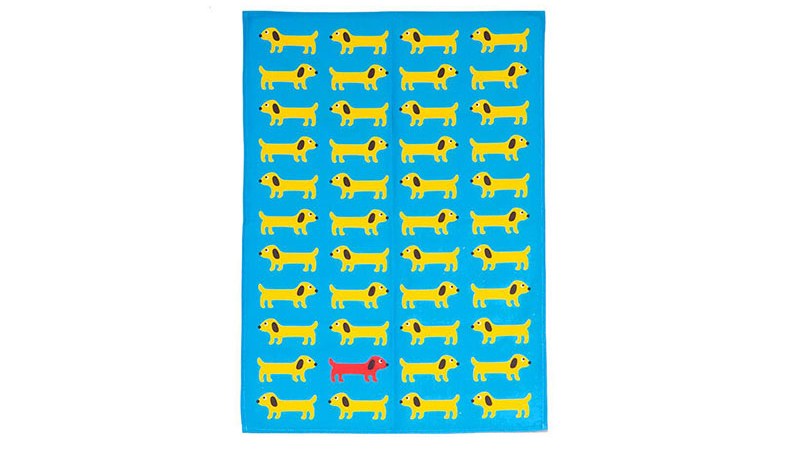
- Repeat spacing: Does the pattern feel balanced when viewed as a full towel?
- Signature or logo: Is it visible without taking over the artwork?
- Folded view: Does the design still make sense when only part is showing?
For artists, these checks can feel a little unromantic. But they are not there to flatten the artwork. They are there to help the artwork survive real use.
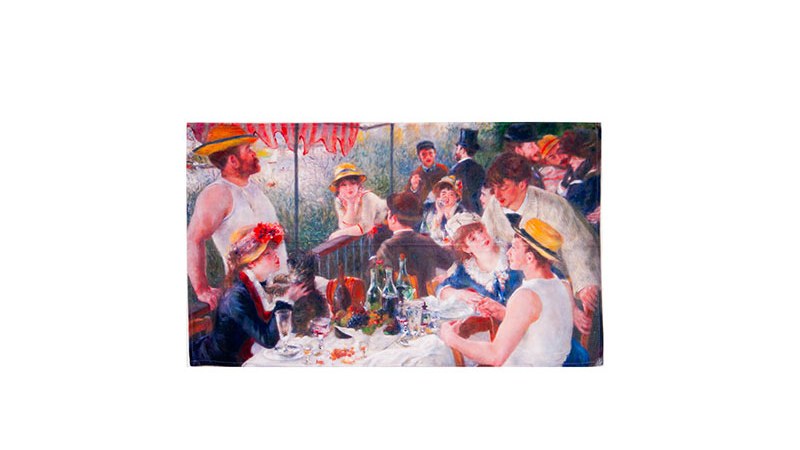
If a design has a tiny artist signature, for example, it may still be included. It just needs to be large enough to look intentional. If a map has small place names, the text needs a scale check. If a watercolor effect is very pale, the contrast may need discussion before production.
Think About Scale Before Color
Many people worry about color first, but scale is often the quieter problem.
A detail that looks generous on a large screen can become very small on a tea towel. A pattern that feels lively in a square mockup may feel crowded on a rectangular towel. A border that looks neat in a file may sit too close to the stitched edge.
Before asking for a quote, view the artwork at the approximate final print size. Then look at it from a little distance, the way a customer might see it in a shop or in a product photo.
Ask yourself:
- What is the first thing someone should notice?
- Can that part be seen when the towel is folded?
- Are any important words too small?
- Does the artwork need a border, or should it run closer to the edge?
- Are fine details essential, or simply nice to have?
- Would one small adjustment make the product easier to understand?
If the towel is intended for retail, this scale check matters even more. A gallery shop, gift shop, or online customer often makes a quick decision. The artwork should reward a closer look, but it should also make sense quickly.
Color On Cotton Is A Product Conversation
Color is another reason to talk through the project before production.
Artwork on a backlit screen can look brighter than printed cotton. This is not unusual. Fabric has texture and a softer surface, and the final result depends on the file, print method, fabric, and color expectations.
For custom printed cotton tea towels for artists printing guide purposes, it helps to identify which colors are critical and which can be more flexible.
For example:
- A brand color may need special attention.
- A very pale background may need enough contrast.
- Deep dark areas may need detail preserved.
- Skin tones, food colors, and landscape colors may need careful review.
- A repeat pattern may depend more on overall balance than exact color matching.
It is better to say these things early. If color is central to the artwork, mention that in the first message. If you are open to a practical textile interpretation, say that too.
Common Artwork Mistakes To Avoid
Most artwork problems are not dramatic. They are small, practical issues that are easier to fix before printing.
Common mistakes include:
- Sending a small web image instead of a production-ready file
- Placing important details too close to the towel edge
- Using very small type that cannot be read at final size
- Expecting screen color to match fabric color exactly
- Forgetting how the towel will be folded or packed
- Adding a signature or logo so small that it disappears
- Preparing a repeat pattern without checking the full towel layout
- Asking for a quote without quantity, size, delivery country, or packaging notes
If you are not sure whether your file is ready, that is fine. A practical print check can happen before the project is fully fixed. It is much easier to review a draft file than to guess from a description.
What To Send For A Useful Print Check
A useful first message does not need to be formal, but it should include enough context.
For an artwork-led tea towel, send:
- The artwork file or a clear preview image
- The number of designs
- Preferred towel size, if known
- Expected quantity or quantity range
- Whether the design is full color, limited color, or repeat pattern
- Any important details such as small text, fine lines, map labels, or signatures
- Packaging idea, such as folded with a belly band or tag
- Delivery city and country
- Any timing concern
- Whether a sample is needed before production
If you are still deciding on size or layout, say that. We can usually have a better conversation when we know what is uncertain.
For broader quote preparation, this related guide may help: What to Prepare Before Asking for a Quote.
How BLANC Tea Towel Can Help
BLANC Tea Towel works with custom tea towels for artists, illustrators, designers, gift shops, schools, cafes, events, and small brands.
For artwork-led projects, we can review:
- Artwork detail and file suitability
- Digital printing direction
- Fine lines, small text, and contrast questions
- Full-towel layout or repeat pattern balance
- Size and folded presentation
- Sample questions
- Packaging and retail presentation
- Delivery country and project timing details
If you are preparing custom printed cotton tea towels and want a print check, send your artwork or draft, quantity range, preferred size, packaging idea, and delivery country. We can review the file and help you move toward a quote-ready project.
You can also read the related artist guide here: How to Buy Custom Printed Cotton Tea Towels for Artists.
FAQ
Can detailed artwork work on custom printed cotton tea towels?
Yes, detailed artwork can work well on custom printed cotton tea towels, especially when the file is prepared carefully. Fine lines, small text, contrast, scale, and edge placement should be checked before production.
Is digital printing a good choice for artist tea towels?
Digital printing can be a good choice for artist tea towels when the design includes multiple colors, illustration texture, gradients, painterly effects, or repeat patterns. The artwork still needs a practical review for cotton fabric.
What file details should artists check before printing tea towels?
Artists should check resolution, final print size, line weight, small text, pale colors, dark detail, edges, repeat spacing, and how the towel will look when folded or packed.
Will colors look exactly the same on cotton as on my screen?
Screen color and cotton print color may not look exactly the same because screens are backlit and cotton has texture. It is best to discuss critical colors early and consider a sample when color is very important.
What should I send to BLANC Tea Towel for an artwork print check?
Send the artwork file or preview image, number of designs, quantity range, preferred size, fabric direction, packaging idea, delivery city and country, and any important timing or sample questions.