For many artists and illustrators, the idea starts with a small question:
Could this artwork become something people can actually use, gift, display, and buy without needing a frame?
That is where custom printed cotton tea towels can be interesting. They sit somewhere between artwork, home textile, souvenir, and small shop product. A tea towel can carry a drawing, a repeat pattern, a food illustration, a map, a place-based design, or a seasonal piece of artwork. It can be folded on a retail shelf, packed with a belly band, photographed for an online shop, or given as a useful gift.
This is not a fake customer case study. It is a practical use case for artists and illustrators who are thinking about turning artwork into retail products, and who want the process to feel manageable instead of mysterious.
When people contact us about an artwork-led tea towel project, the most useful conversations usually begin with three things: the artwork, the way the towel will be sold or gifted, and a realistic idea of quantity, packaging, and delivery country. The artwork can still be in progress, but the project direction should be clear enough for a supplier to understand what you are trying to make.
Start With The Product Moment
Before choosing fabric, printing, or packaging, imagine the moment when someone first sees the product.
Will the tea towel be hanging in a gallery shop? Folded inside a basket near greeting cards? Packed flat for an online order? Displayed beside ceramics, coffee, local food, books, prints, or souvenirs?
That moment matters because the tea towel is not only an image. It is a product that has to be noticed, picked up, understood, and bought.
For an artist, a strong drawing may be enough to start. For a gift shop or gallery shop, the product also needs a clear retail story. A customer should be able to understand why the design exists and who it is for.
Useful product moments include:
- Artist merchandise after an exhibition or online launch
- Gallery shop and museum shop products
- Local illustration gifts for visitors
- Food, cafe, or restaurant artwork
- Botanical, landscape, map, or place-based designs
- Seasonal gift shop collections
- Community or fundraising artwork projects
- Small brand gifts for customers or events
If the goal is retail, keep asking a simple question: what will make someone pick this up and take it home?
Why Tea Towels Work Well For Artwork
Tea towels can be a good first textile product because they are useful, easy to display, and familiar to shoppers. They can feel more approachable than a framed print and more practical than a purely decorative object.
For artists and illustrators, that usefulness can be helpful. A tea towel lets artwork live in kitchens, studios, shops, holiday homes, gift drawers, and everyday routines. It can still feel like art, but it has a job to do.
For gift shops and small brands, custom tea towels are also easy to explain. A local map, a food illustration, a floral design, or a collection of small motifs can make sense as a cotton textile product. The design does not need to be complicated, but it should feel intentional.
This is where custom tea towels can become a practical product path rather than just another print format.
Turn One Artwork Into A Retail Plan
The easiest way to keep the project clear is to build around one design first.
That does not mean you can never produce a collection. It simply means the first product should have a focused plan. One well-prepared design can teach you more than six half-planned designs.
Start with the artwork and ask:
- Is this a single hero illustration or a repeat pattern?
- Does the design need to be seen fully open?
- What part of the design should show when folded?
- Is there small text, a signature, or fine linework?
- Does the color mood still work on cotton fabric?
- Would the design suit a belly band, tag, or simple folded presentation?
- Is the product meant for a shop shelf, online listing, event table, or gift box?
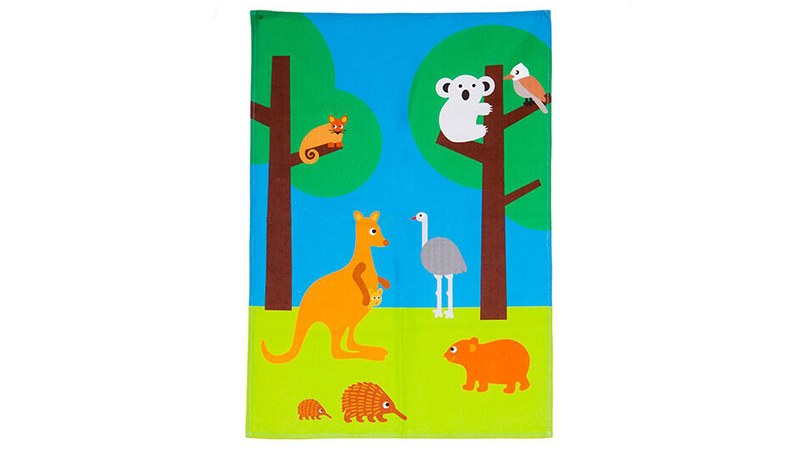
If the artwork is detailed, full color, painterly, or uses many tones, it may be worth discussing custom digital printed tea towels. Digital printing can be useful when the design needs more color freedom than a simple one-color logo print.
The artwork still needs a practical check. Fabric is not a bright screen, and a tea towel is not a flat poster. Edges, folds, texture, and scale all change how the design feels.
Make The Design Work When Folded
One detail artists sometimes forget is that tea towels are not always viewed fully open.
In a shop, a towel may be folded into thirds. It may sit under a belly band. It may hang on a rail. It may be photographed partly folded for an online store. The design should still communicate something in those formats.
For a central illustration, think about whether the main subject is too low, too high, or too close to the edge. For a repeat pattern, check whether the visible folded area still looks balanced. For a map or type-led design, make sure the most important words are readable at the final scale.
This does not mean the artwork has to be simplified beyond recognition. It means the layout should respect how the product will live after printing.
If packaging is part of the plan, decide early where the band, tag, label, or folded edge will sit. A beautiful design can lose impact if the only visible retail area is a blank corner.
Decide What The First Order Is Trying To Learn
For an artist or small creative brand, the first order often has more than one job.
It may be a product to sell, but it is also a test of the design, fabric feel, packaging, product photography, pricing conversation, and audience response. That is why it helps to be honest about the goal.
Your first tea towel project might be trying to learn:
- Whether customers respond to the artwork as a product
- Whether the design works better as a full illustration or repeat pattern
- Whether the towel should be sold loose, folded, or packed
- Whether a sample is needed before a larger order
- Whether the design could become part of a wider product range
- Whether gift shops or gallery shops understand the product quickly
When you contact a supplier, you do not need a perfect answer to every question. But it is useful to say what stage you are in. A first artist product, a shop restock, an exhibition product, and a seasonal gift item may all need slightly different advice.
Packaging Is Part Of The Artwork
Packaging can feel like a small production detail, but for artists and gift shops it often affects whether the product feels finished.
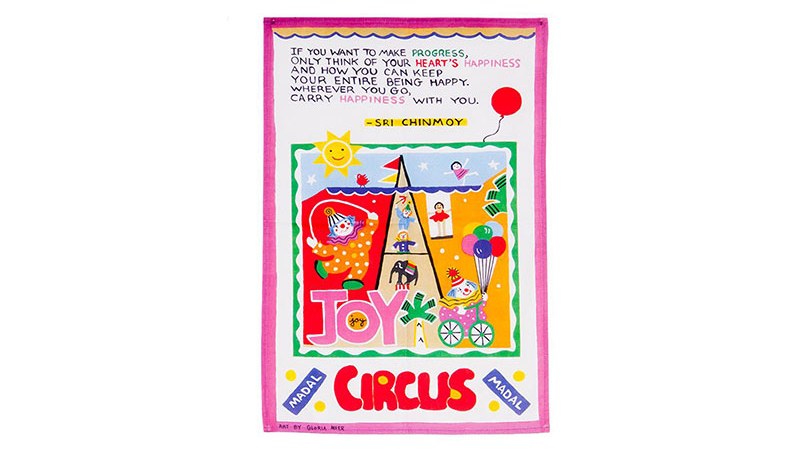
A tea towel sold loose can work in some settings. But if the towel will sit in a museum shop, gallery shop, tourist shop, online store, or seasonal gift collection, the presentation matters.
Common retail presentation questions include:
- Will the towel be folded with a belly band?
- Should the artist name or brand be visible from the front?
- Will the towel hang or sit flat?
- Does the packaging need a barcode, tag, or simple label?
- Should the design show a preview when folded?
- Will the packaging explain the artwork or place story?
For artist-led products, packaging should not hide the best part of the design. It should help someone understand the product quickly.
If you plan to sell through shops, ask yourself what a buyer or shop owner sees first. The answer may affect how the artwork is placed, how the towel is folded, and what information belongs on the packaging.
What To Prepare Before Asking For A Quote
A quote request does not need to be formal. It just needs to be useful.
For custom printed cotton tea towels for artists use case planning, the most helpful first message usually includes:
- Artwork file, mockup, or draft image
- Number of designs
- Quantity range or expected first order size
- Preferred towel size, if known
- Fabric direction, such as 100% cotton
- Whether the artwork is full color or limited color
- Packaging idea, if retail presentation matters
- Delivery city and country
- Any event date, shop launch, or exhibition timing
- Whether you want to discuss a sample before production
If you are unsure, say that. It is normal to write something like, "I have one finished illustration and want to understand whether it can work as a cotton tea towel for a small shop product." That gives the supplier enough context to respond with useful questions.
What is harder to answer is a message with no artwork, no quantity range, and no product use. A simple project story makes the quote conversation much smoother.
For more detail on preparing an inquiry, this guide may help: What to Prepare Before Asking for a Quote.
How BLANC Tea Towel Can Help
BLANC Tea Towel works with cotton custom tea towel projects for artists, illustrators, designers, gift shops, schools, cafes, events, and small brands.
For artwork-led retail products, we can help review:
- Artwork suitability for cotton printing
- Digital printing direction for full color designs
- Size and layout questions
- Folded presentation and packaging ideas
- Sample questions
- Quantity planning
- Delivery country and timing details
If you are turning artwork into a retail product, send your artwork or draft, quantity range, preferred size, packaging idea, and delivery country. We can review the project and help you move from artwork idea to quote-ready product.
You can also read the related artist buying guide here: How to Buy Custom Printed Cotton Tea Towels for Artists.
FAQ
Can artists use custom printed cotton tea towels as retail products?
Yes. Custom printed cotton tea towels can work well for artists and illustrators because they turn artwork into a useful textile product. They are especially practical for gift shops, gallery shops, local illustration products, food artwork, maps, seasonal designs, and small creative brands.
What type of artwork works best on a tea towel?
Clear illustrations, repeat patterns, maps, food drawings, botanical artwork, typographic designs, and place-based artwork can all work. The best choice depends on the towel size, print method, color detail, folding plan, and how the product will be sold.
Should I start with one design or several designs?
Many first projects are easier to plan around one strong design. A focused first product helps you check artwork scale, fabric feel, packaging, and customer response before building a wider range.
Is digital printing useful for artist tea towels?
Digital printing can be useful when the artwork has many colors, painterly detail, gradients, or illustration texture. The file still needs to be checked for resolution, scale, edge placement, and readability on cotton.
What should I send to BLANC Tea Towel for a quote?
Send your artwork or draft image, number of designs, quantity range, preferred size, fabric direction, packaging idea, delivery city and country, and any important date. If you are unsure about size, print method, or packaging, include that question in the same message.